- Login
- Register


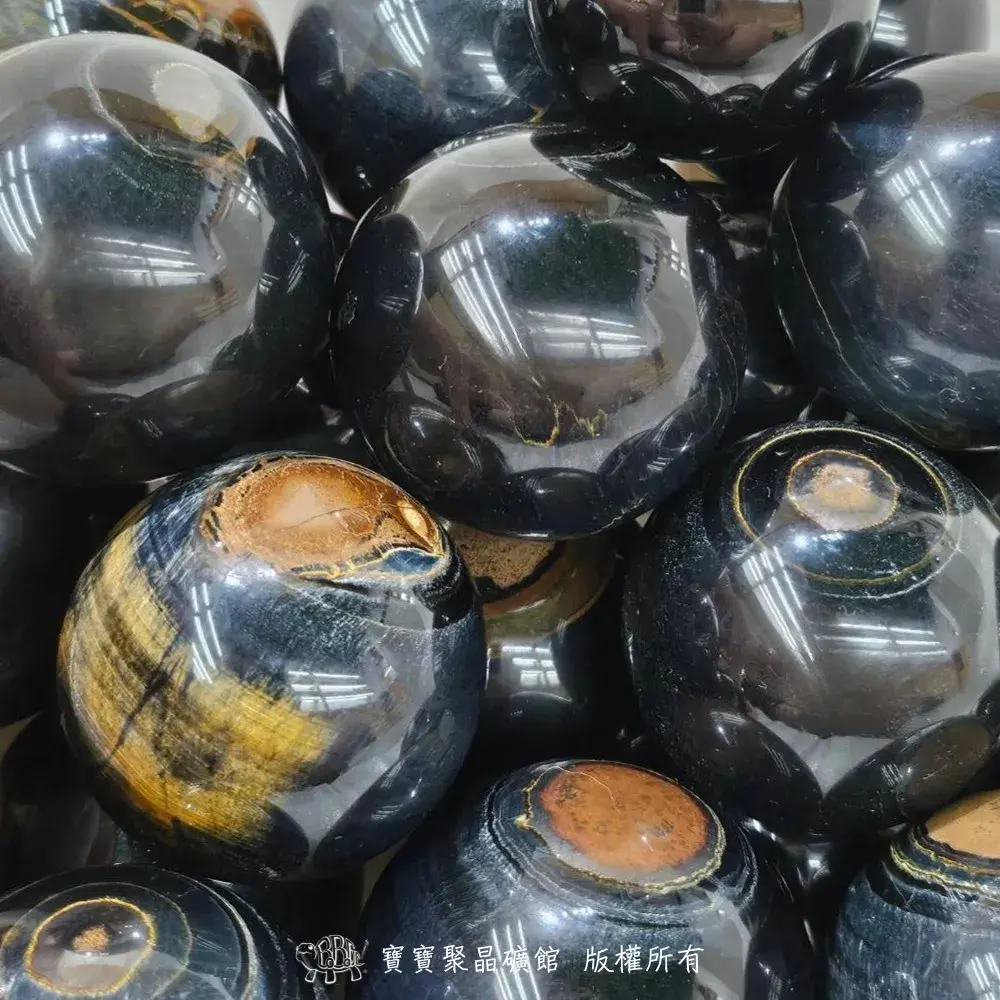
Blue tiger's eye
The main chemical component of blue tiger's eye is silicon dioxide (SiO₂), which is formed by the silicification of blue asbestos fibers. After undergoing high temperature and high pressure in the Earth's crust, it transforms into quartz. This unique mineralization structure gives the stone a silky luster on its surface, and when light moves across it, it produces a distinctive "cat's eye effect," also known as "hawk's eye."
English
Blue Tigerite
Origin
South Africa 🇿🇦
Introduction
The main chemical component of blue tiger's eye is silicon dioxide (SiO₂), which is formed by the silicification of blue asbestos fibers. After undergoing high temperature and high pressure in the Earth's crust, it transforms into quartz. This unique mineralization structure gives the stone a silky luster on its surface, and when light moves across it, it produces a distinctive "cat's eye effect," also known as "hawk's eye."
In historical texts, it was often used by European nobles and warriors as a talisman; ancient Roman soldiers wore it on the battlefield, symbolizing courage and calmness; ancient Egyptians believed it could guide souls, see through illusions and deception, and it was also commonly found in pharaohs' scepters and amulets; medieval healers regarded it as the "mind stone," used to balance thoughts and emotions, helping people maintain clear judgment.
Related products

STAY CONNECTED